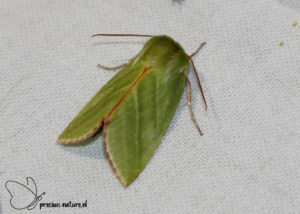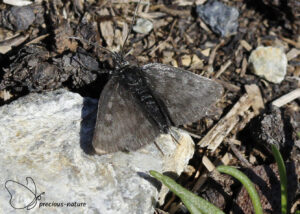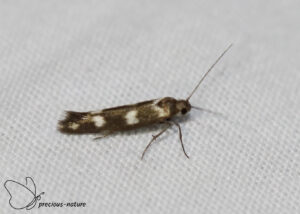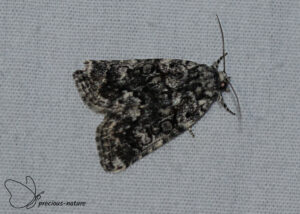
There is no unambiguous characteristic distinguishing a macro butterfly from a micro butterfly. At first, you would say size is the prominent attribute. Of course, macro butterflies are usually larger than micro butterflies, but there are also exceptions. A front wing length of 10 mm is often used as a limit, but many grass moths are already larger and still considered micro butterflies.
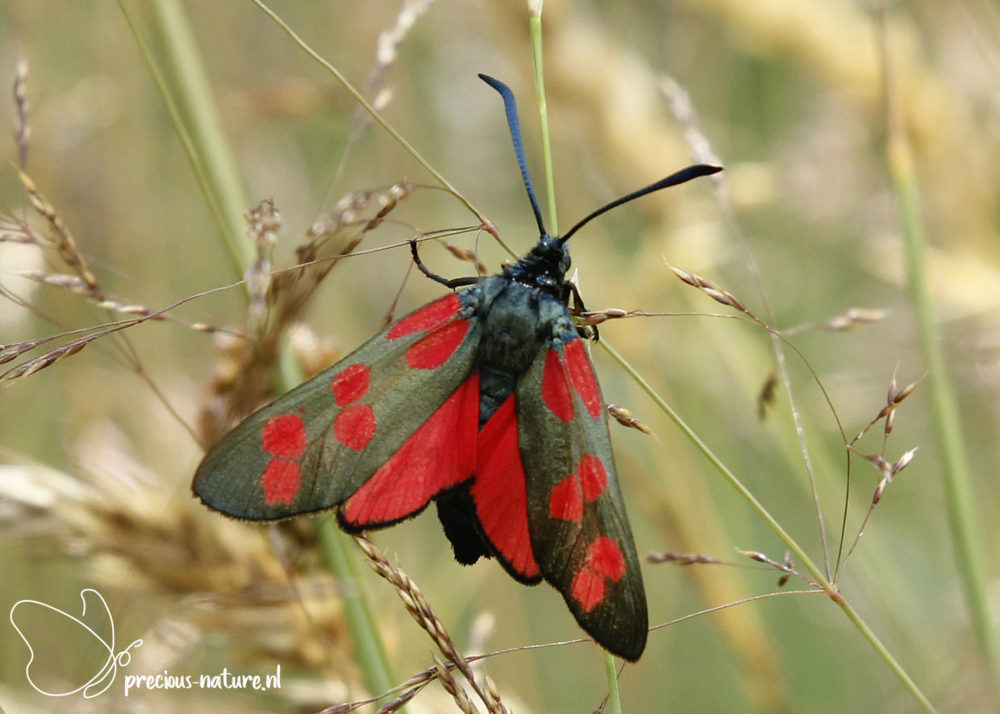
Besides the division into macros and micros, the macro butterflies can also be divided into day and night butterflies. This classification can also be confusing, as moths are active during the day. Yet, there is a distinctive difference. The end of the antenna of butterflies is club-shaped, and of the moths, it is wire-shaped or even in the shape of a bird’s feather (males). An exception to this is the burnets (Zygaeninae), which have a club-shaped antenna but can be distinguished as moths by their resting position. In the Netherlands, there are over 900 macro moths.
The macro moths are an underestimated group of butterflies. Not only do many people think they are dull-coloured butterflies, but it turns out that they are also essential in agricultural ecosystems. During the day, bees and bumblebees often transfer pollen, but moths also play an equally important role in pollinating wild plants. Their body, where the pollen sticks after a visit, ensures essential transport. If the moth population were to shorten, this would lead to a significant decrease in pollen transport and, thus, a threat to the survival of certain plant families.
Family Subfamily Number species worldwide Percentage worldwide
Aididae 6 0.01
Anomosetidae 1 0.00
Anthalidae (Australian Lappet Moths) 94 0.12
Anthelinae
Munychryiinae
Apatelodidae (American Silkworm Moths) 145 0.18
Bombycidae (Silkworm Moths) 185 0.23
Bombycinae
Epiinae
Brachodidae (Little Bear Moths) 137 0.17
Brachodinae
Phycodinae
Brahmacidae (Brahmin Moths) 65 0.08
Callidulidae (Old World Butterfly Moths) 49 0.06
Carthaeidae (Australian Silkworm Moths) 1 0.00
Castniidae 113 0.14
Cimeliidae 6 0.01
Cossidae (Carpenter and Leopard Moths) 971 1.19
Chilecomadiinae
Cossinae
Cossulinae
Hypoptinae
Mehariinae
Metarbelinae
Zeuzerinae
Cyclotornidae 5 0.01
Dalceridae (Jewel caterpillar Moths) 80 0.10
Doidae (Doid Moths) 6 0.01
Drepanidae (Hooktip Moths) 660 0.81
Cyclidiinae
Drepaninae
Oretinae
Thyatirinae
Dudgeoneidae 57 0.07
Endromidae (Glory Moths) 59 0.07
Epicopeiidae (Oriental Swallowtail Moths) 20 0.02
Epipyropidae (Planthopper Parasite Moths) 32 0.04
Erebidae (Erebid Moths) 24,569 30.14
Aganainae
Anobinae
Arctiinae (Tiger Moths)
Boletobiinae (Beautiful Hooktips)
Calpinae
Erebinae (Red Underwings)
Eulepidotinae
Herminiinae (Fan-foot Moths)
Hypeninae (Snout Moths)
Hypenodinae
Hypocalinae
Lymantriinae (Tussock Moths)
Scolecocampinae
Scoliopteryginae (Herald Moths)
Tinoliinae
Toxocampinae (Blackneck Moths)
Eupterotidae (Giant Lappet Moths) 339 0.42
Eupterotinae
Janinae
Panacelinae
Striphnopteryginae
Euteliidae (Euteliid Moths) 520 0.64
Euteliinae
Stictopterinae
Geometridae (Geometer Moths) 23,002 28.22
Alsophilinae (Alsophiline Moths)
Archiearinae
Desmobathrinae
Ennominae (Ennomines)
Geometrinae (Geometrines)
Larentiinae (Larentiines)
Oenochrominae
Orthostixinae
Sterrhinae (Sterrhines)
Hepialidae (Ghost Moths) 606 0.74
Heterogynidae (Mediterranean Burnet Moths) 10 0.01
Himantopteridae (Long-tailed Burnet Moths) 80 0.10
Hyblaeidae 18 0.02
Lacturidae (Tropical Burnet Moths) 120 0.15
Lasiocampidae (Lappet Moths) 1,952 2.39
Chionopsychinae
Chondrosteginae
Gastropachinae
Lasiocampinae
Macromphaliinae
Pinarinae
Poecilocampinae
Limacodidae (Slug Caterpillar Moths) 1,672 2.05
Megalopygidae (Flannel Moths) 232 0.28
Metarbelidae 196 0.24
Mimallonidae (Sack-bearer Moths) 194 0.24
Neotheoridae 1 0.00
Noctuidae (Owlet Moths) 11,772 14.44
Acontiinae
Acronictinae
Aediinae
Agaristinae
Amphipyrinae
Bagisarinae
Bryophilinae
Cocytiinae
Condicinae
Cuculliinae
Dilobinae
Eriopinae
Eustrotiinae
Hadeninae
Heliothinae
Ipimorphinae
Metopiinae
Noctuinae
Oncocnemidinae
Ophiderinae
Pantheinae
Phytometrinae
Plusiinae
Psaphidinae
Stiriinae
Strepsimaninae
Thiacidinae
Xyleninae
Nolidae (Tuft Moths) 1,738 2.13
Bleninae
Chloephorinae
Collomeninae
Eariadinae
Eligminae
Nolinae
Risobinae
Westermanniinae
Notodontidae (Prominent Moths) 3,800 4.66
Biretinae
Ceirinae
Cerurinae
Dicranurinae
Dioptinae
Dudusinae
Hemiceratinae
Heterocampinae
Notodontinae
Nystaleinae
Phalerinae
Platychasmatinae
Ptilodontinae
Pygaerinae
Rifargiriinae
Scranciinae
Stauropinae
Thaumetopoeinae
Oenosandridae (Oenosandrid Moths) 8 0.01
Palaeosetidae 9 0.01
Phaudidae 15 0.02
Phiditiidae 23 0.03
Prototheoridae 12 0.01
Ratardidae 10 0.01
Saturniidae (Wild Silk Moths) 2,349 2.88
Agliinae
Arsenurinae
Bunaeinae
Ceratocampinae
Cercophaninae
Hemileucinae
Oxyteninae (Tropical American Silkworm Moths)
Salassinae
Saturniinae
Sematuridae (Sematurid Moths) 40 0.05
Sessiidae (Clearwing Moths) 1,397 1.71
Sesiinae
Tinthiinae
Somabrachyidae (African Flannel Moths) 8 0.01
Sphingidae (Sphinx- and Hawkmoths) 1,463 1.79
Macroglossinae
Smerenthinae
Sphinginae (Small-eyed Sphinx Moth)
Thyrididae (Window-winged Moths) 940 1.14
Charidenae
Siculodinae
Striglininae
Thyridinae
Uraniidae (Swallowtail Moths) 686 0.84
Auzeinae
Epipleminae
Microniinae
Uraniinae
Whalleyanidae 2 0.00
Zygaenidae (Burnets) 1,036 1.27
Callizygaeninae
Chalcosiinae
Phaudinae
Procridinae
Zygaeninae
Total 81,511 100.00
The families and subfamilies are described per category. The link refers to the related page for each (sub)family where a species was spotted and described.
Burnets 
Carpenter & Leopard Moths 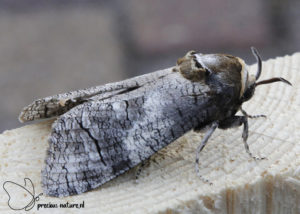
Slug Caterpillar Moths
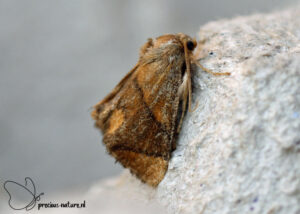
Erebid Moths 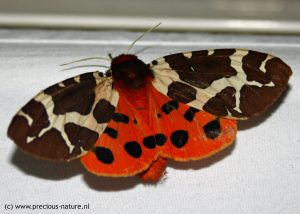
Geometer Moths 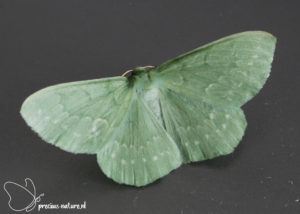
Ghost Moths
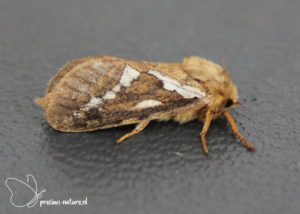
Hooktip Moths 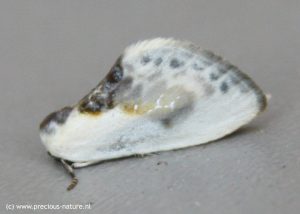
Lappet Moths 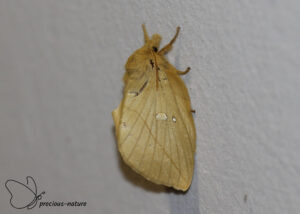
Owlet Moths
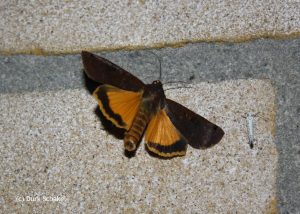
Prominent Moths 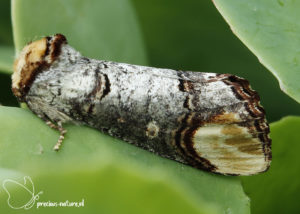
Clearwing Moths 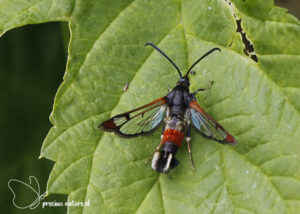
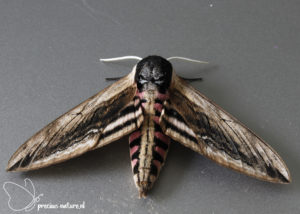
Sphinx & Hawkmoths
Tuft Moths