The Orthosiini is a medium-sized tribe within the subfamily Noctuinae of the owlet moths (Noctuidae). Traditionally, the tribe belonged to the subfamily Hadeninae, but phylogenetic studies have led to more stable taxonomic insights. Although scientists have not reached consensus, this classification, based on the National Centre for Biotechnology Information (NCBI) database, is used on this website.
Orthosiini are often called true winter or early spring owlets. This is because the adult moths are primarily active in early spring, autumn, or even winter. The colour pattern and markings on the forewings serve as excellent camouflage when they sit on tree bark, on leaves on the ground, or on a snow-covered surface. Most species have only one generation per year and live mainly in wooded ecosystems. Because these moths are active during periods when few other insects are flying, they constitute a crucial food source for insectivorous birds during the scarce winter months.
The caterpillars are polyphagous. They are primarily found on various deciduous trees, shrubs, and herbaceous plants. They are characterised by special spines on the front of the tongue-like structure in the mouthparts.
Genus: Orthosia
Common Quaker – 2018 (NL)
(NCBI-index: 875886)
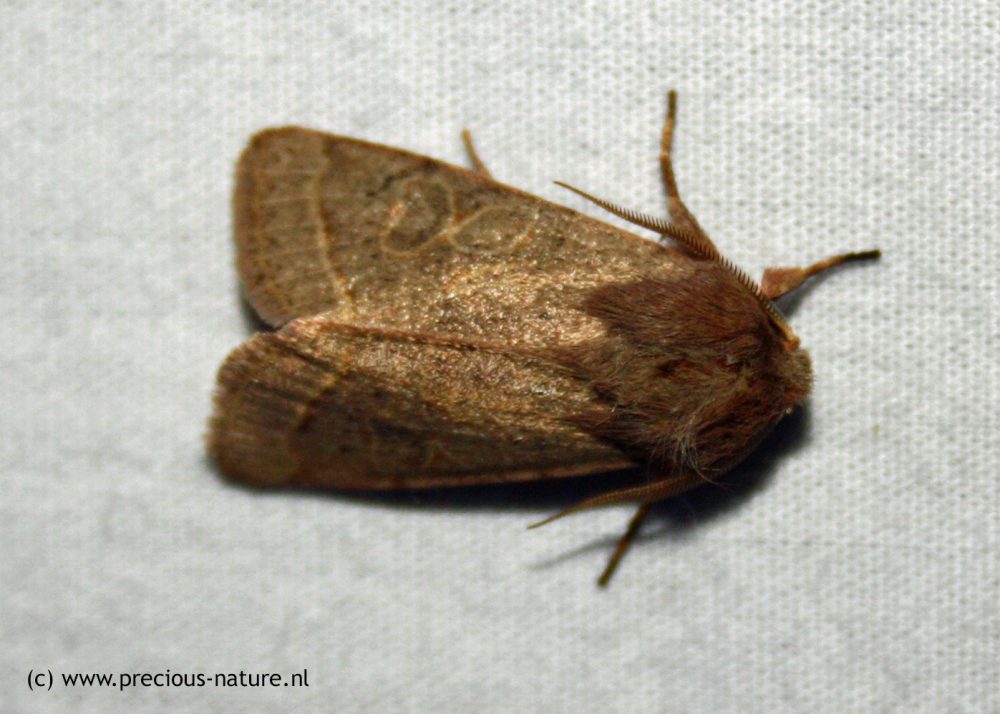
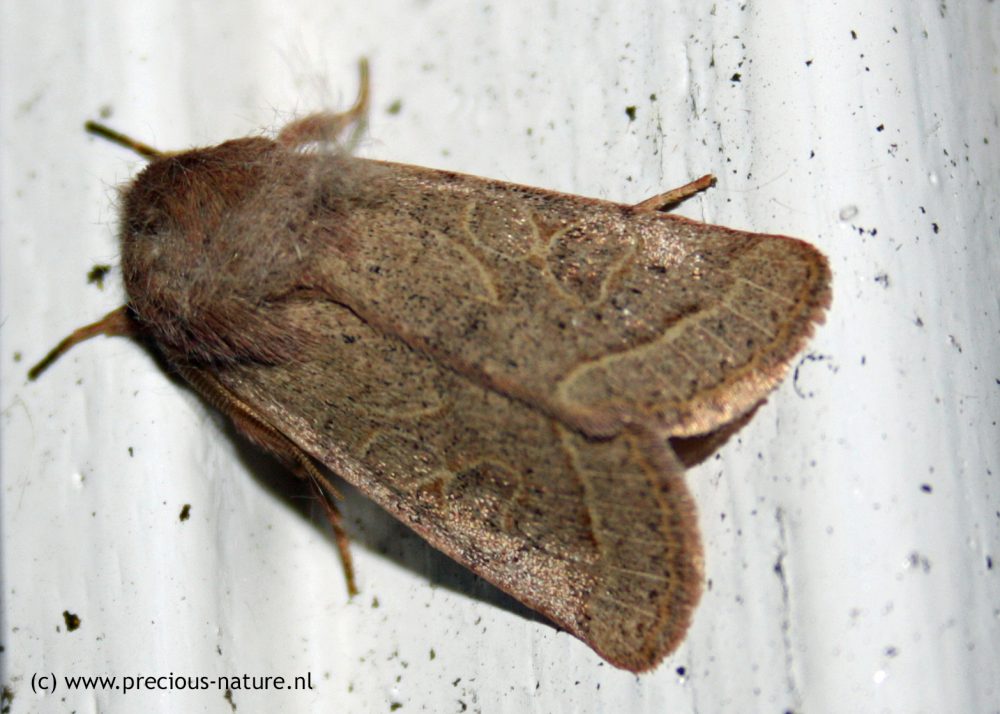
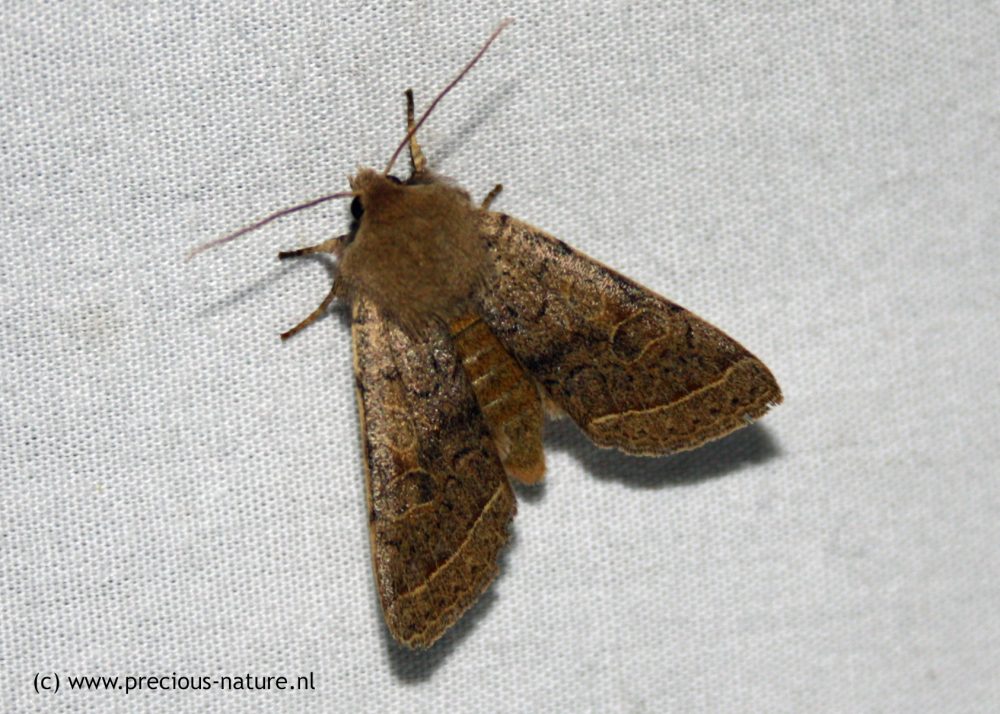
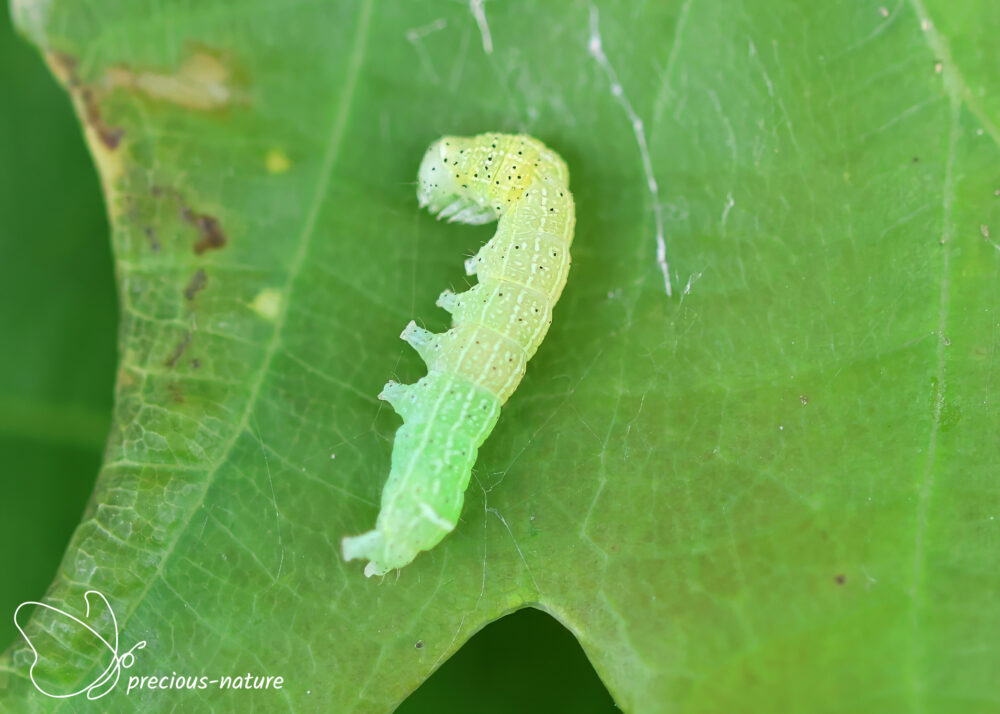
One of the Quaker species, which are relatively easy to recognise, is the Common Quaker (Orthosia cerasi). The apex of the forewing is rounded, and this owlet moth has a striking, slightly outlined, significant oval mark and a broad kidney mark. Striking is also the light, slightly darkened, wavy line on the forewing. The highly variable ground colour ranges from light sandy brown to warm brown and orange or greyish brown to blackish brown. The flight period is in one generation from February to June, and the wingspan is 34-40 mm. Host plant(s): Oak, Willow, Birch, Hawthorn, fruit trees. Dutch name: Tweestreepvoorjaarsuil. Frisian name: –
Flying period:

Genus: Orthosia
Small Quaker – 2018 (NL)
(NCBI-index: 988010)
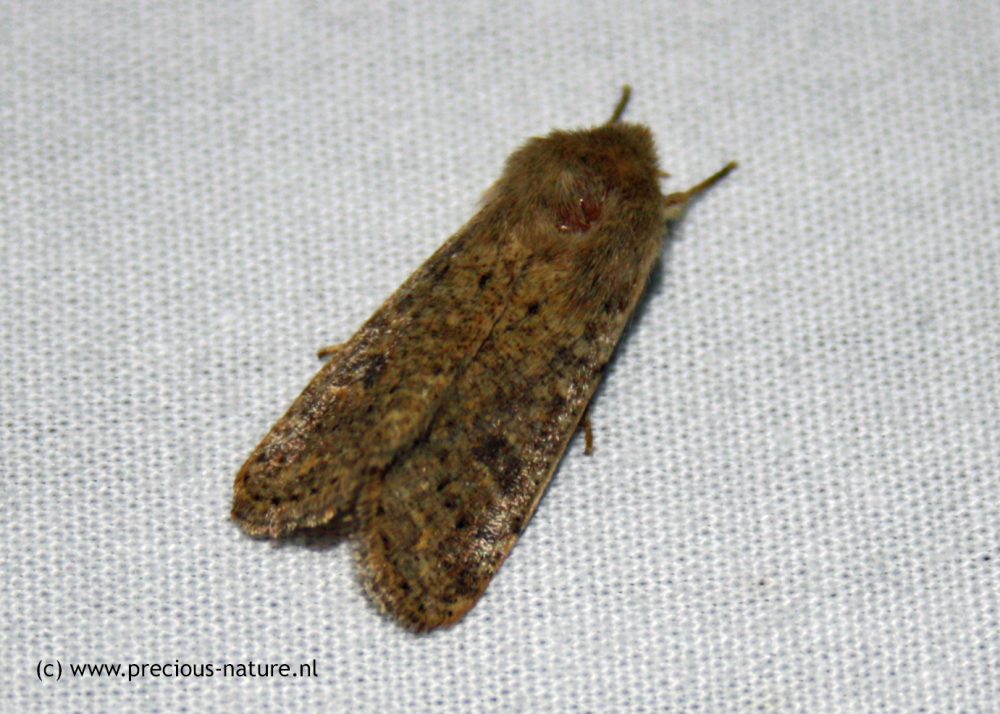
The Small Quaker (Orthosia cruda) is easily distinguishable from the other Quakers because of its small size. It is also quite light in colour and has an even appearance. The forewing has a rough, speckled appearance due to the blackish scales scattered over the wing. Often, only the narrow kidney mark and the light wavy line are visible. You see the cross lines as rows of blackish dots. It flies in one generation from early March to mid-May, and its wingspan is 25-30 mm. Host plant(s): Oak, Birch, Hazel, Willow. Dutch name: Kleine voorjaarsuil Frisian name: Foarjiersûltsje.
Flying period:


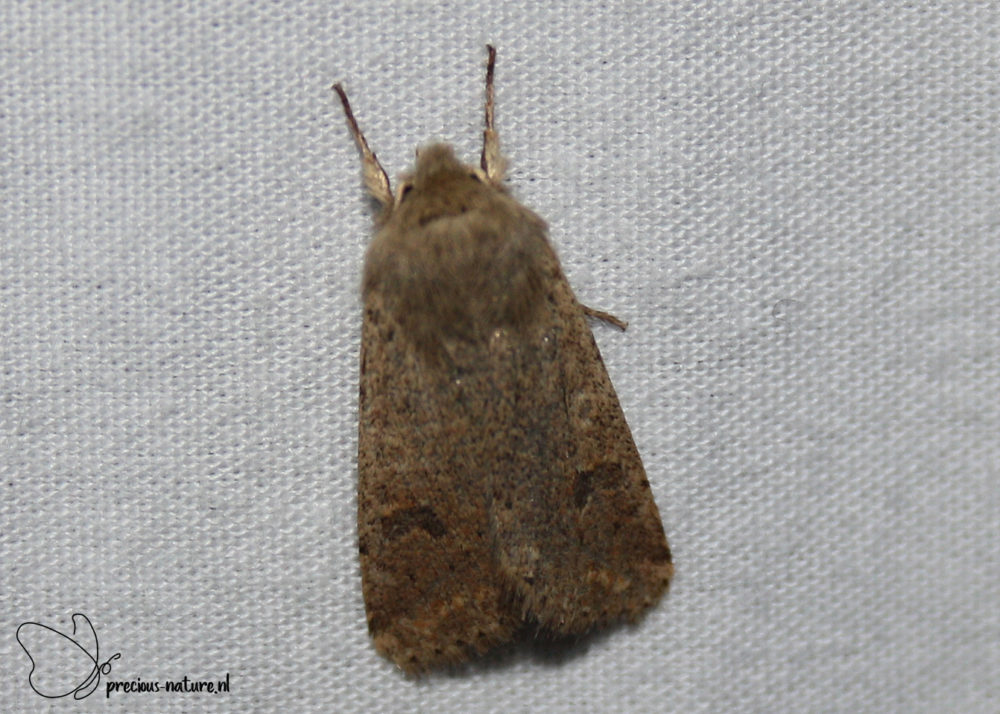
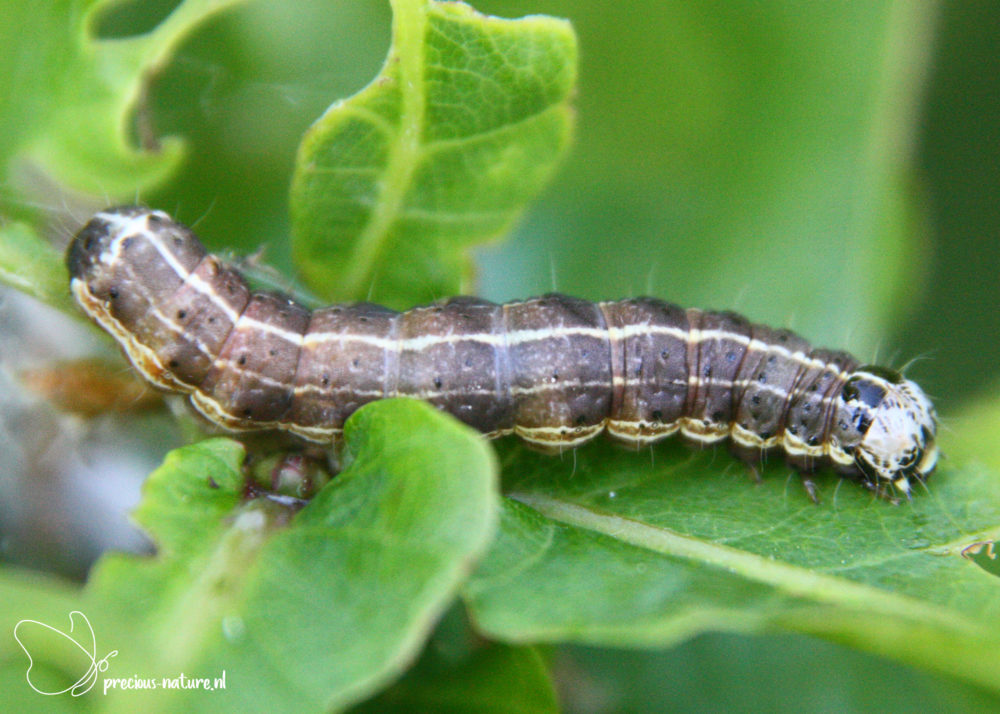
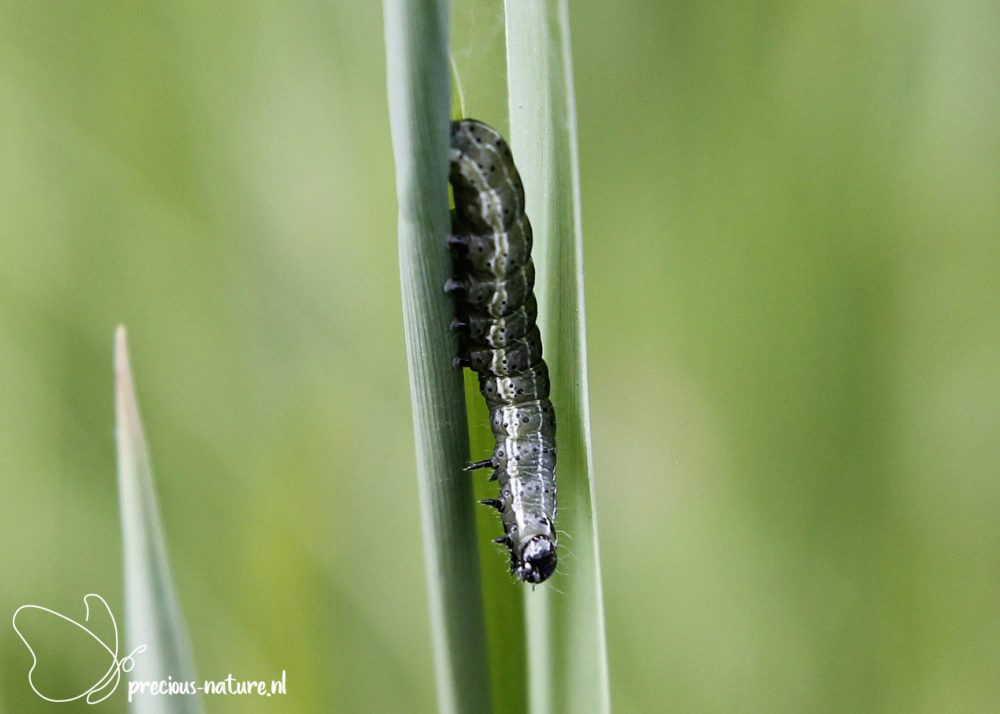
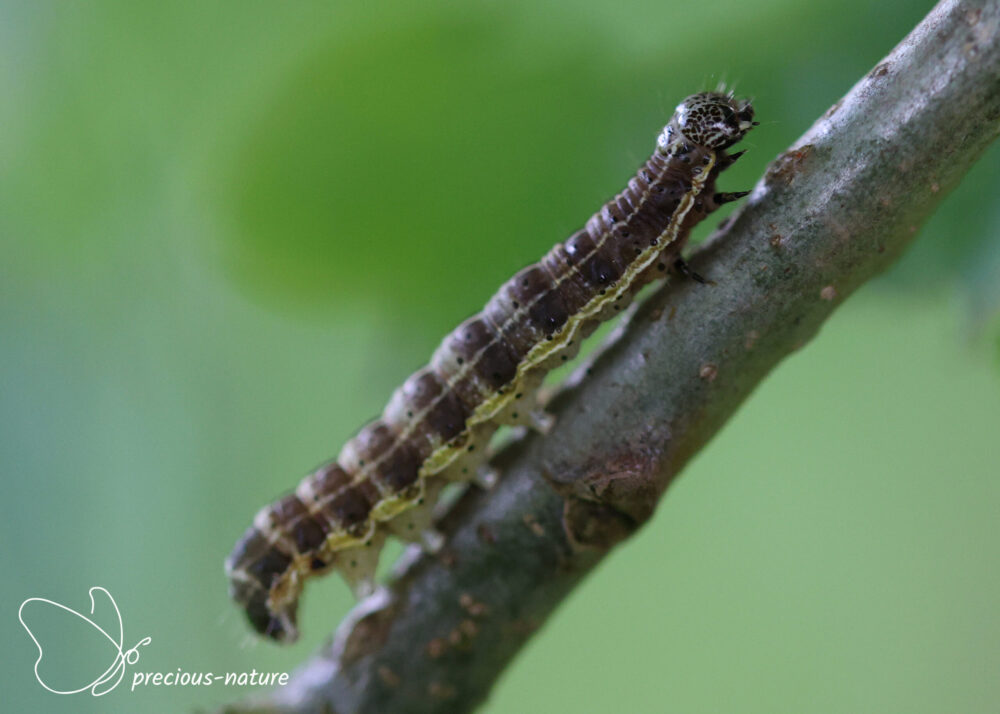
Genus: Orthosia
Clouded Drab – 2018 (NL)
(NCBI-index: 988011)
A Quaker that is usually easy to recognise is the Clouded Drab (Orthosia incerta). The forewing always has an angular wingtip, and the markings are usually quite rough and blotchy. On the inside of the light, slightly irregular wave line, there are almost always some small dark spots visible just before the centre and at the torus. In dark specimens, as I spotted them, these spots are less clear. The colour and markings vary widely: some are blackish or dark reddish-brown with unclear markings, while others are light brown, reddish-grey, or light grey with dark brown or blackish speckles and spots. In many specimens, the grey chestpiece contrasts with the dark wings. The flight period is from March to early June in one generation, and the wingspan is 35-40 mm. Host plant(s): Oak, Willow, Blackthorn, fruit trees. Dutch name: Variabele voorjaarsuil. Frisian name: –
Flying period:

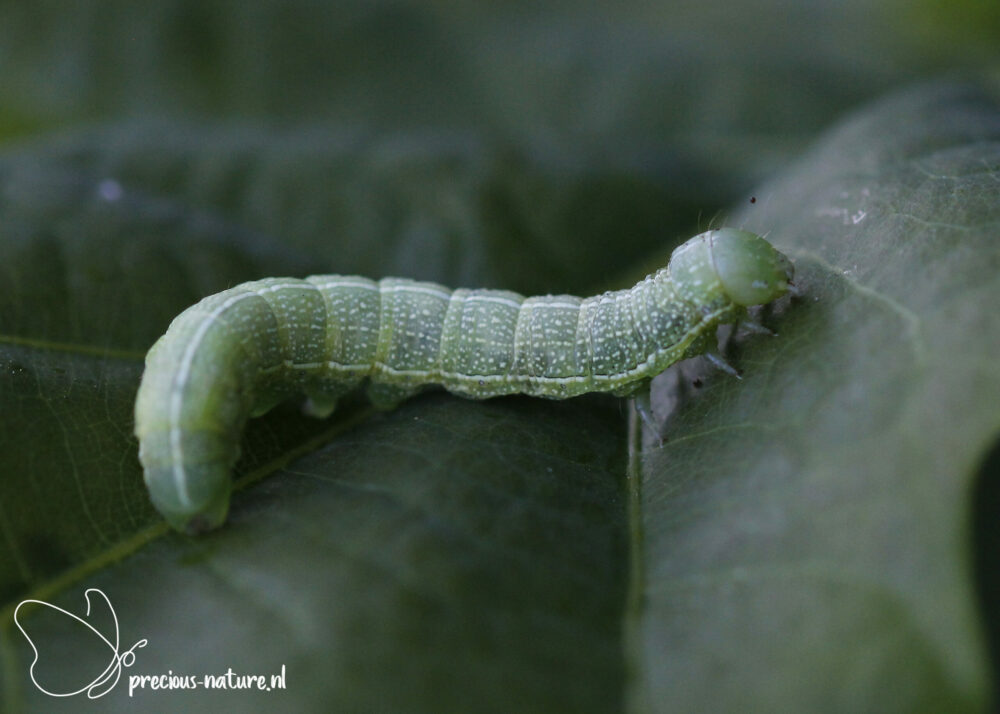
Genus: Orthosia
Hebrew Character – 2019 (NL)
(NCBI-index: 43337)
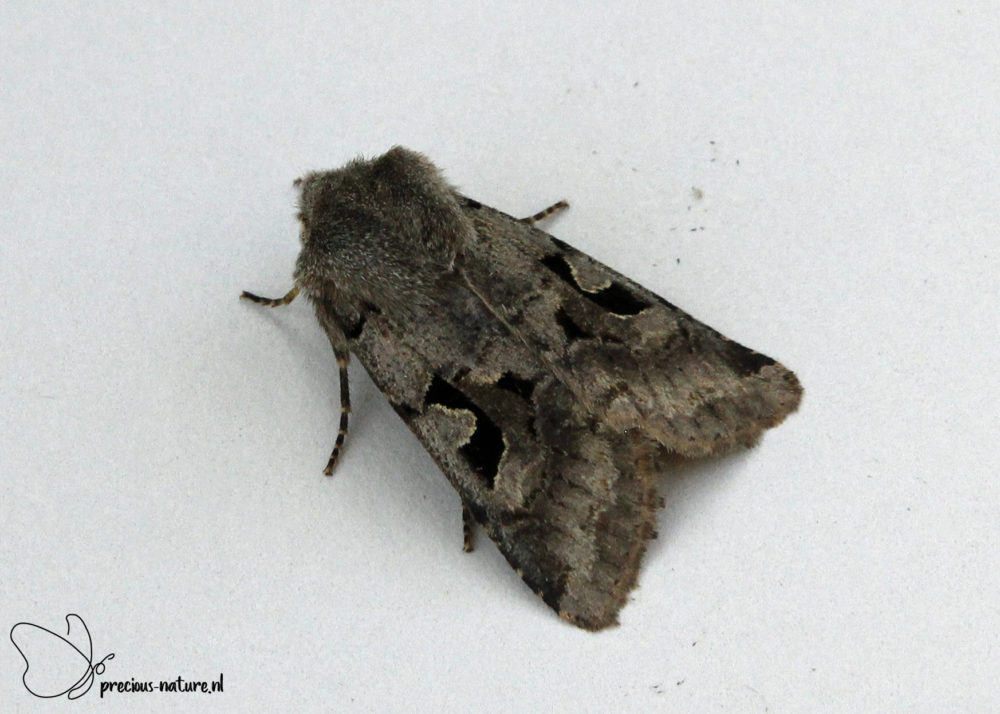
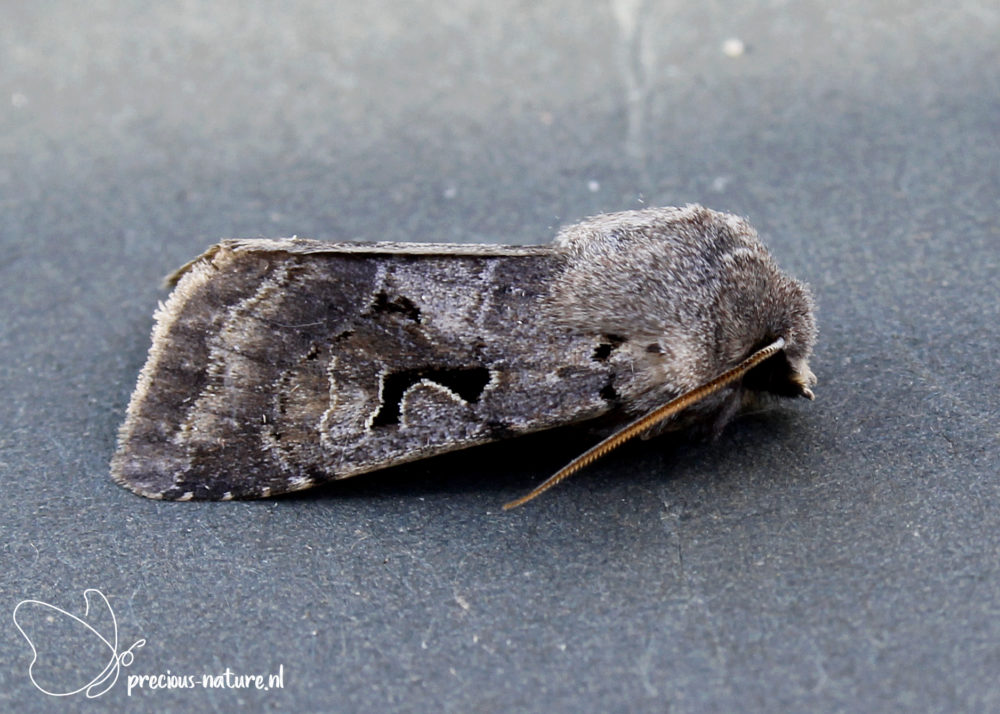
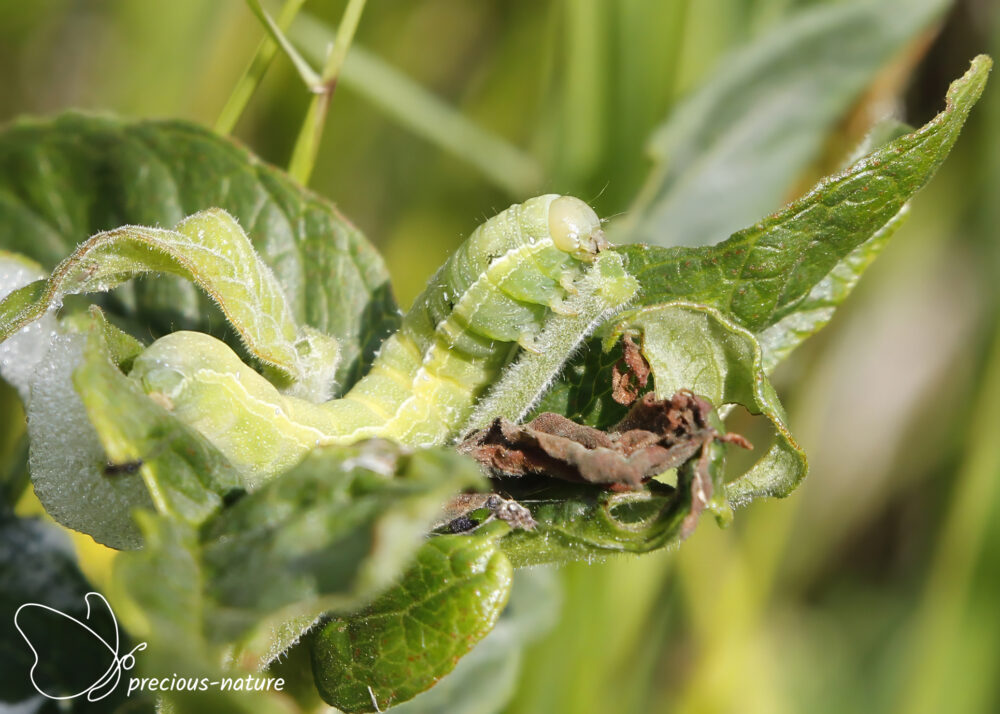
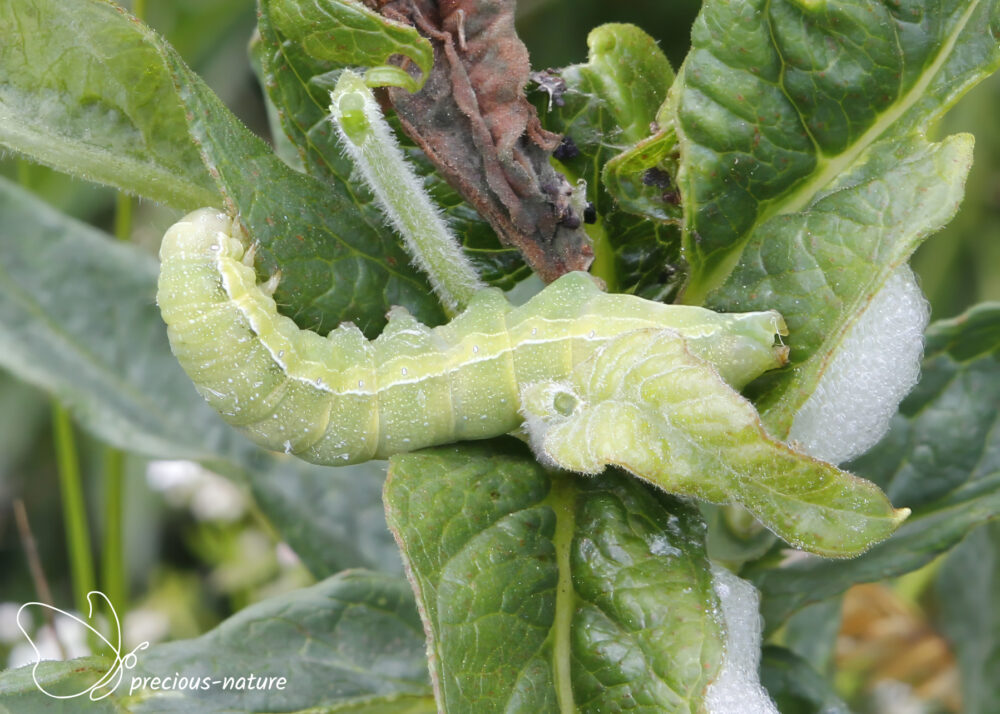
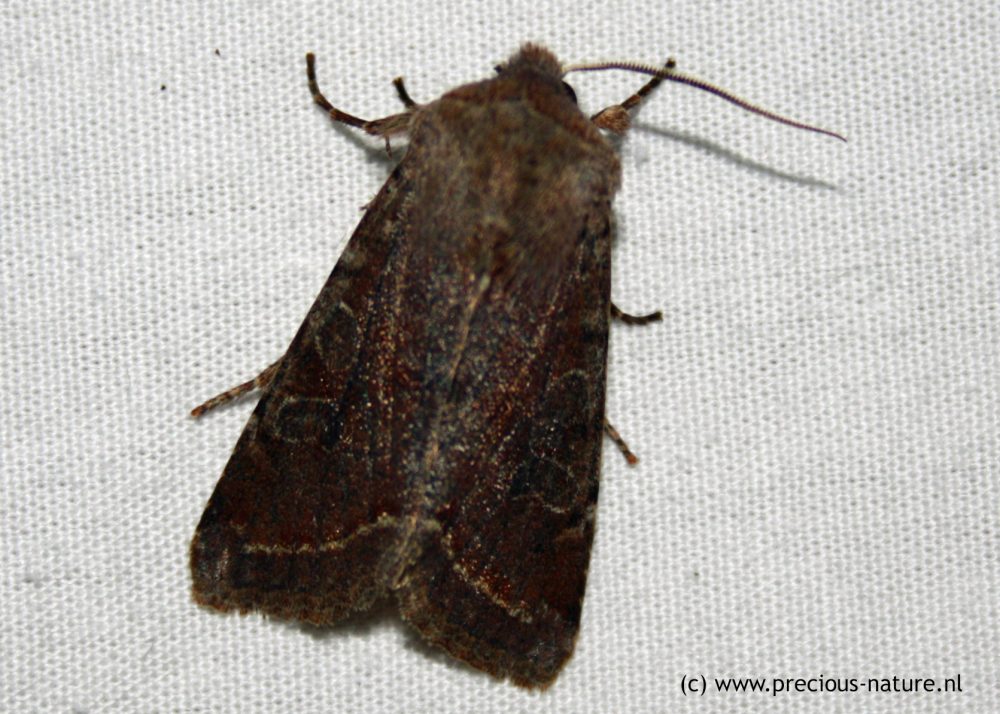
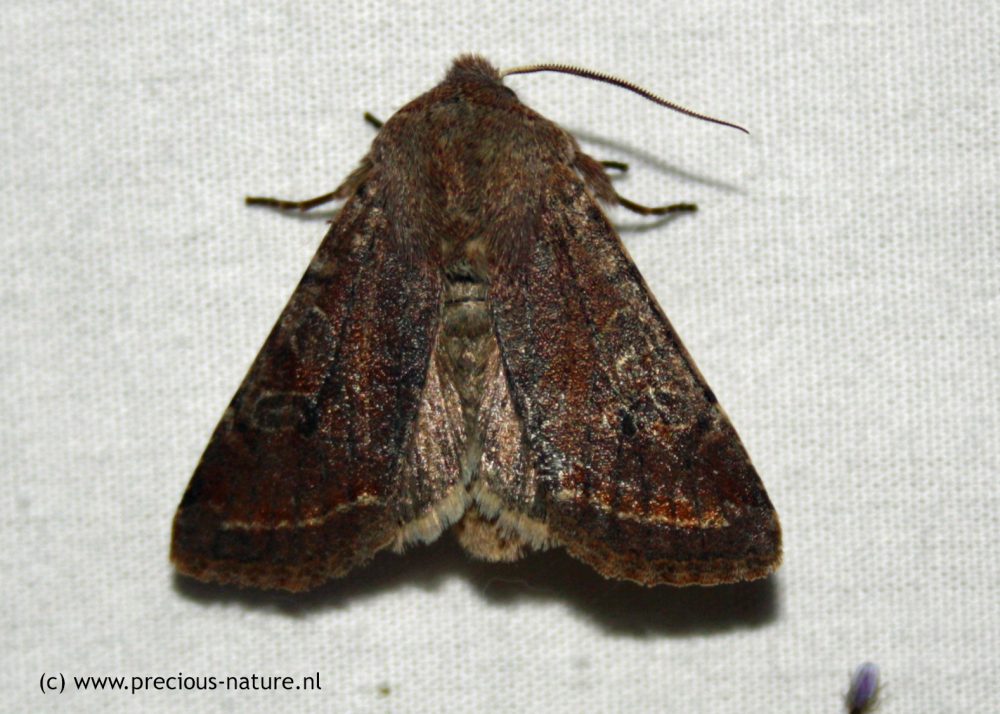
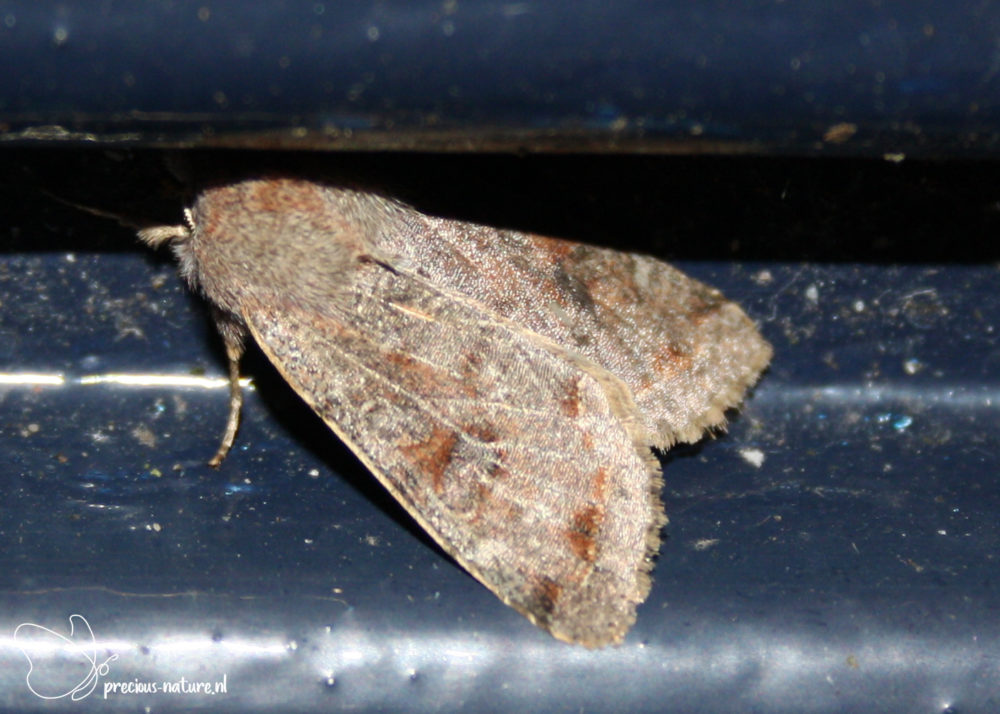
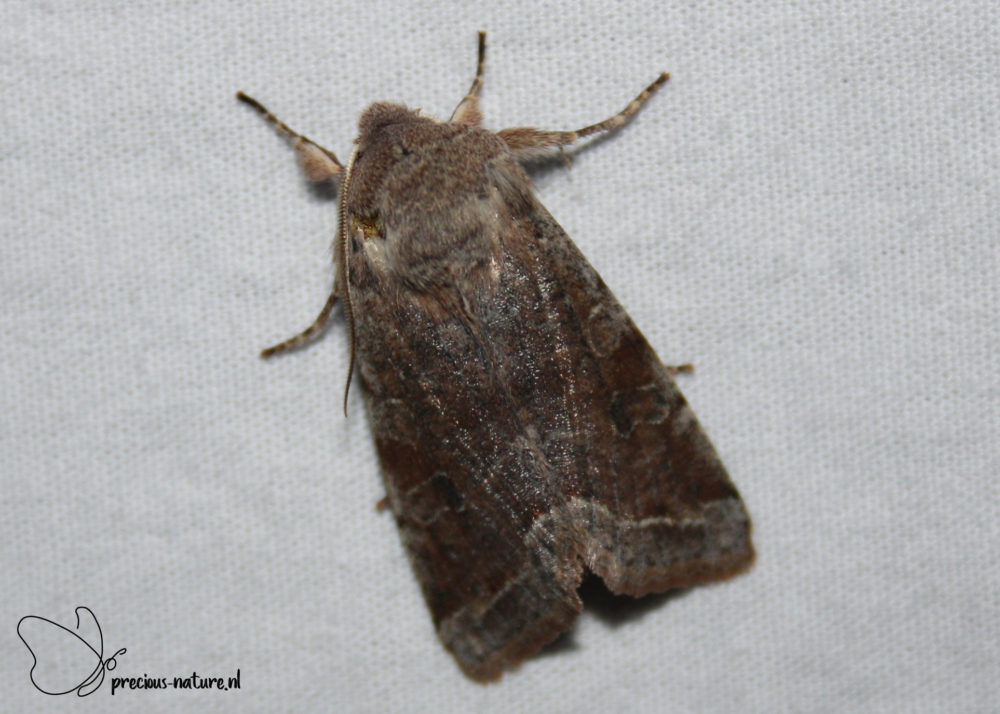
While it was still fairly cold for the time of year, and putting the moth trap outside did not yield much, the Hebrew Character (Orthosia gothica) turned out to be flying around quite actively. The forewing of this moth is grey to greyish brown, sometimes light sandy or pinkish or purplish brownish, with a characteristic black to black-brown spot. This spot encloses the oval mark and is bordered by the kidney mark. The spot shape is quite variable, but it is often saddle-shaped. Sometimes the oval mark divides the black spot in half. The flying period is from March to June in one generation, and the wingspan is 30-40 mm. Host plant(s): Oak, Birch, Hawthorn, Willow, Sorrel, Nettle. Dutch name: Nunvlinder. Frisian name: Nunflinter.
Flying period: