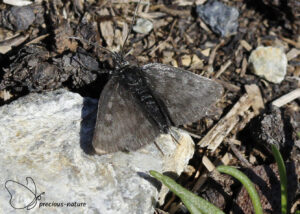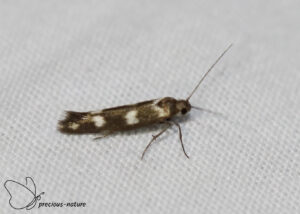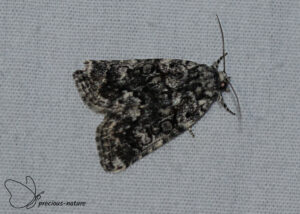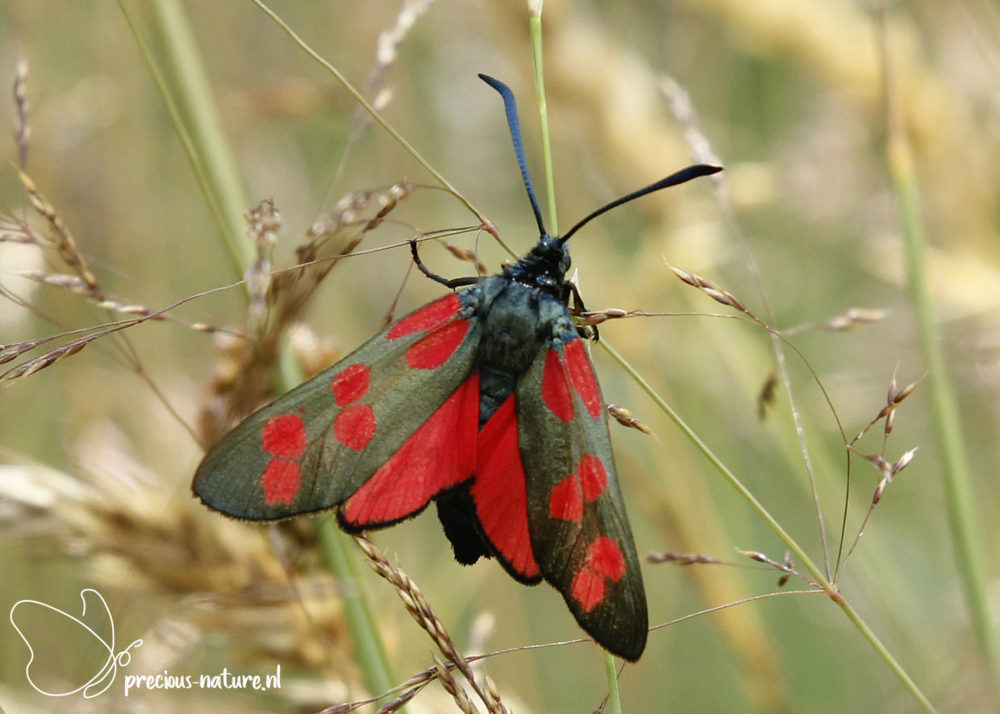
There’s no single distinguishing characteristic between a macro moth and a micro moth. At first glance, you might think size is the prominent distinguishing characteristic. Of course, macro moths are usually larger than micro moths, but there are exceptions. A forewing length of 10 mm is often used as the limit, but many grass moths are even larger and still considered micro moths.
Besides being classified as macro and micro moths, macro moths can also be classified as diurnal (butterflies) and nocturnal (moths). This classification can also be confusing, as some moths are active during the day. However, there is a distinguishing difference. The antennal tip of butterflies is club-shaped, while in moths it is thread-like or even shaped like a bird’s feather (males). An exception to this are the burnets (Zygaeninae), which have a club-shaped antennal tip but can be distinguished as a moth by their resting position.
There are over 50 butterfly species in the Netherlands. This is only a tiny percentage of the number of species recorded worldwide by Nieukerken et al. [reference 9]. Butterfly species are under serious threat. Agricultural intensification, urbanisation, and climate change are driving some species to the brink of extinction in the Netherlands. Increasingly, special strips are being created with wildflowers and herbs that can serve as host plants for butterflies.
| Family | Subfamily | Number species worldwide | Percentage worldwide |
|---|---|---|---|
| Hedylidae | 36 | 0.2 | |
| Hesperiidae (Skippers) | 4,113 | 21.9 | |
| Coeliadinae (Policemen) | |||
| Eudaminae (Dicot Skippers) | |||
| Hesperiinae (Grass Skippers) | |||
| Heteropterinae (Skipperlings) | |||
| Malazinae | |||
| Megathyminae (Giant Skippers) | |||
| Pyrginae (Spread-wing Skippers) | |||
| Pyrrhopyginae (Firetips) | |||
| Trapezitinae (Australian Skippers) | |||
| Lycaenidae (Gossamer-wings) | 5,201 | 27.7 | |
| Aphaneinae | |||
| Curetinae | |||
| Lycaeninae (Coppers) | |||
| Miletinae (Harvesters) | |||
| Polyommatinae(Blues) | |||
| Poritiinae | |||
| Theclinae(Hairstreak Butterflies) | |||
| Nymphalidae (Brushfoots) | 6,152 | 32.8 | |
| Apaturinae (Emperor Butterflies) | |||
| Biblidinae (Tropical Brushfoots) | |||
| Calinaginae | |||
| Charaxinae (Leafwings) | |||
| Cyrestinae (Daggerwings) | |||
| Danainae (Milkweed Butterflies) | |||
| Heliconiinae (Longwings, Fritillaries & Silverspots) | |||
| Libytheinae (Snout Butterflies) | |||
| Limenitidinae (Admirals) | |||
| Nymphalinae (Tortoiseshells, Admirals & Commas) | |||
| Satyrinae (Graylings, Ringlets, Brown & Heaths) | |||
| Papilionidae (Swallowtail Butterflies) | 570 | 3.0 | |
| Baroniinae | |||
| Papilioninae (Swallowtails) | |||
| Parnassiinae (Apollo Butterflies) | |||
| Pieridae (White, Yellow & Sulphur Butterflies) | 1,164 | 6.2 | |
| Coliadinae (Sulphurs & Yellows) | |||
| Dismorphiinae (Mimic Sulphurs) | |||
| Pierinae (Whites) | |||
| Pseudopontiinae | |||
| Riodinidae (Metalmark Butterflies) | 1,532 | 8.2 | |
| Nemeobiinae | |||
| Riodininae | |||
| Totaal | 18,768 | 100.0 | |
The families and subfamilies are described per category. The link refers to the related page for each (sub)family where a species was spotted and described.
Brush-footed Butterflies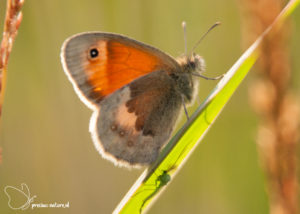 | Gossamer-wing Butterflies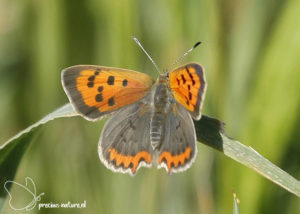 | Skippers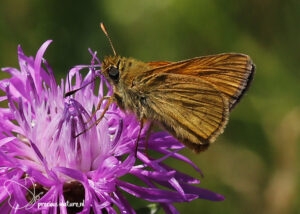 |
Swallowtails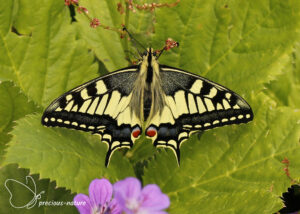 | Metalmarks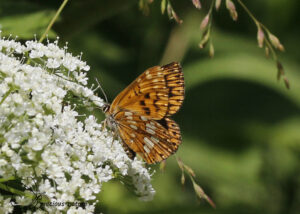 | Whites and Sulphurs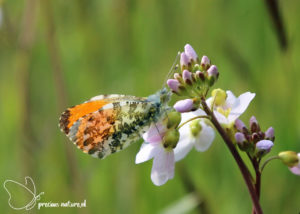 |